
Innovation in Recovery: Zero Facial Swelling Protocol
Advanced surgical protocols eliminating periorbital edema for discreet recovery.
MISSING PHOTOS
We have no "facial swelling" photos to show.
because our patients don't swell.
Our Zero Edema Protocol actually works!
What Causes Post-Operative Facial Swelling?
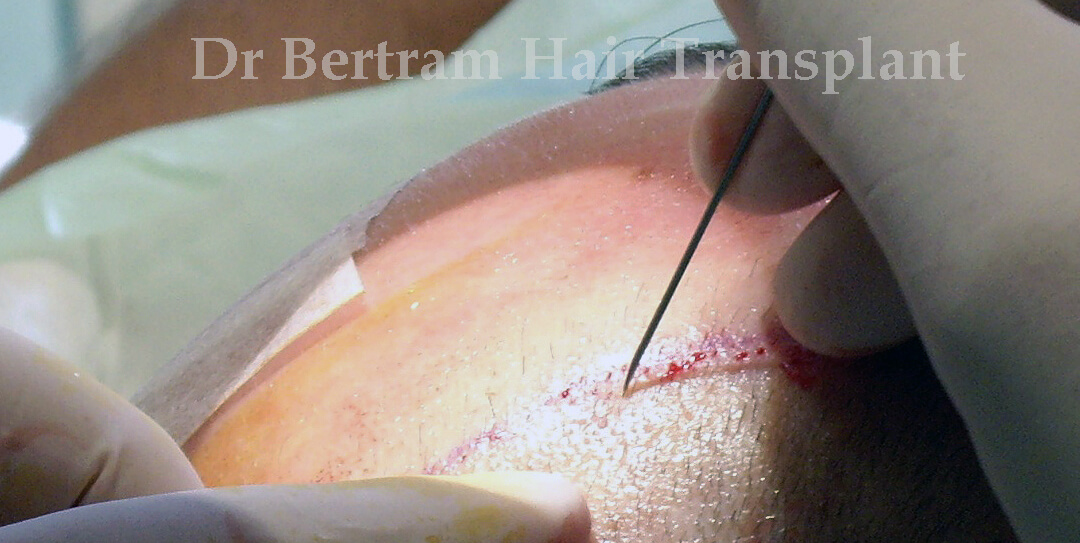
Post-operative swelling, or edema, occurs when fluid from the anesthetic solution and the body's natural inflammatory response tracks forward through the loose connective tissue planes of the forehead and around the eyes (periorbital area).
Contributing Factors
- Tumescent Fluid Volume: Excessive amounts of injected fluid increase hydrostatic pressure, forcing liquid into surrounding tissues.
- Injection Pattern: Improper placement of anesthesia can create pathways for fluid to migrate downward due to gravity.
- Tissue Trauma: Aggressive site creation or graft handling triggers a stronger inflammatory response, exacerbating fluid retention.
- Patient Positioning: Failure to keep the head elevated allows gravity to pull fluid into the eyelids and lower face.
Understanding these mechanisms is the first step in systematically preventing them.
Is Facial Swelling Inevitable After Surgery?
Contrary to common belief, significant swelling is not an unavoidable side effect of hair transplantation. While minor fluid movement is a normal physiological response, pronounced periorbital or forehead edema is the result of specific, manageable variables.
The Potential for Prevention
- Systematic Management: By controlling the surgical technique, fluid volume, and post-operative care, the factors leading to severe swelling can be neutralized.
- Discreet Recovery: A successful prevention protocol allows patients to recover without the "puffy" appearance or bruising that often necessitates time off work or social isolation.
- Standard of Care: Modern advancements have shifted edema from an expected complication to a preventable outcome, prioritizing patient comfort and quality of life during healing.
Clinical evidence demonstrates that with rigorous adherence to a dedicated protocol, noticeable swelling can be entirely eliminated.
How Is Swelling Prevented? The Multi-Faceted Protocol

Achieving a 0% incidence rate requires an integrated approach spanning the surgical procedure and the immediate recovery phase. No single step is sufficient; success lies in the combination.
Core Components of the Protocol
- Strategic Anesthesia Administration: Utilizing minimal, targeted volumes of tumescent fluid. Specific injection techniques are employed to contain fluid within the donor and recipient zones, preventing dispersal into loose forehead tissues.
- Intra-Operative Precision: Implementing controlled, low-trauma graft placement. Precise site creation minimizes tissue disruption, thereby reducing the inflammatory cascade that drives edema.
- Mechanical Compression: The application of a specialized compression band immediately post-op. This gently redirects any potential fluid movement and supports lymphatic drainage.
- Guided Recovery: Strict instructions on head elevation (keeping the head above the heart) and activity restriction for the first 48–72 hours. This leverages gravity to ensure any residual fluid drains posteriorly rather than settling in the face.
What Is the Evidence and Impact?
The efficacy of this protocol is supported by documented clinical outcomes and continuous auditing.
Clinical Verification
- Documented Track Record: Clinical audits covering 24 consecutive months (2024–2025) across all FUE procedures recorded zero cases of clinically noticeable facial swelling requiring intervention.
- Research Foundation: The protocol builds upon methodologies first published in 2008, refined over nearly two decades through clinical observation and peer-reviewed feedback.
- Transparency: Data is subject to ongoing verification, with commitments to update records should any deviation occur, ensuring ethical reporting.
Patient Benefits
- Enhanced Comfort: Avoids the tightness, pain, and visual distortion associated with severe edema.
- Social Discretion: Enables a confident and earlier return to professional and social environments without visible signs of surgery.
- Reduced Anxiety: Removes a major variable from the recovery process, providing patients with predictability and peace of mind.
Key Principles of Edema Control
- Fluid Dynamics Management: Swelling is caused by excessive or poorly placed tumescent fluid. Strategic, minimal-volume administration prevents migration to the eyes.
- Trauma Minimization: Low-trauma graft placement and precise site creation reduce the inflammatory response that drives fluid accumulation.
- Mechanical Prevention: The use of specialized compression banding and strict head elevation leverages gravity and lymphatic drainage to redirect fluid.
- Documented Efficacy: Long-term clinical audits confirm that a systematic approach can reduce the incidence of noticeable swelling to effectively zero.
- Enhanced Recovery: Eliminating edema significantly improves patient comfort, reduces bruising, and allows for a faster, more discreet return to social activities.
Scientific Publications & References
This protocol is grounded in peer-reviewed research and continuous academic contribution to the field of hair restoration surgery.
Key Publications & Invited Speaker
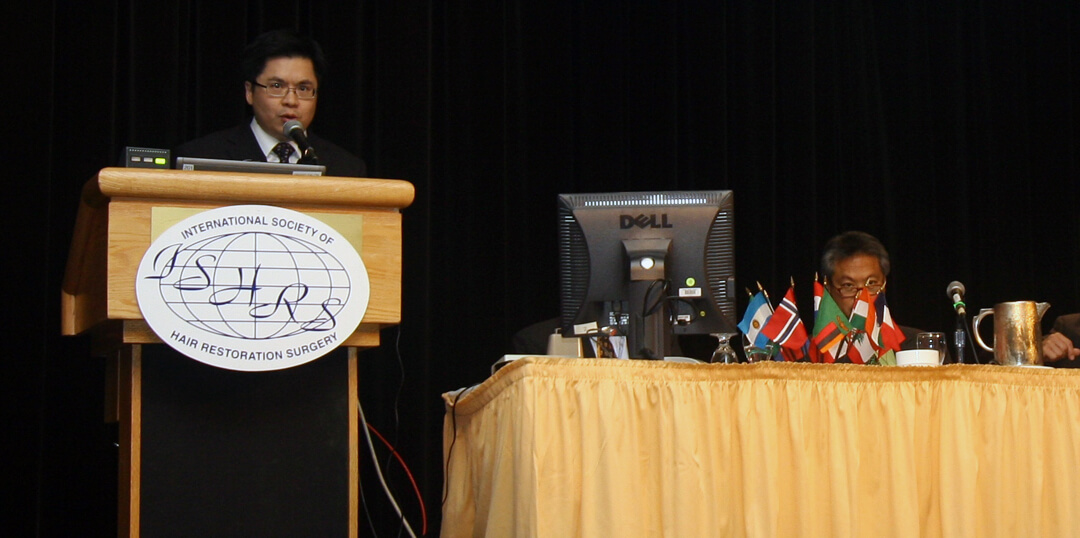
- Postoperative Edema in Mega Sessions: Risk Factors and Our Preventive Protocol. ISHRS Hair Transplant FORUM. 2009 Vol 19:3, May/Jun.
- No More Facial Edema – Oral Presentation. ISHRS Annual Scientific Meeting, Prague 2017.
Selected References
- Abbasi G. Hair Transplantation without Post-operative Edema. Hair Transplant Forum International March 2022, 32(2): 55-56.
- Walker NPJ. Dermatologic Surgery. In: Textbook of Dermatology, Champion R, Burton J, Burns D, et al. Eds. 6th ed. 1998.
- Unger WP. Hair transplantation. 3rd ed. New York: Marcel Dekker. 1997.
- Neidel. Preventing Post-operation swelling. Hair Transplant Forum 13(5): 3, 2003.
- Griffines WS. Steroids in rhinoplasty. Laryngoscope 99(110): 1161–1164, 1989.
- Hofman. Steroids and rhinoplasty—a double blind study. Arch Otolaryngol Head & Neck Surg 117: 990–993, 1991.
- Owsle YJ, Weibel TJ, Adams WA. Does steroid medication reduce facial edema? Plast Reconstr Surg 1996 98(1): 1–6.
- Norwood OT. Say goodbye post-operative edema. Forum 4(1): 13, 1994.
- Neil-Dwyer JG, Evans RD, Jones BM, et al. Tumescent steroid infiltration to reduce postoperative swelling after craniofacial surgery. Br J Plast Surg 54(70): 565–9, 2001.